0% Greek yoghurt or skyr
Cost: ~0.50-0.90 per serving
One of the highest-protein, lowest-cost foods in the shop, plus calcium and live cultures.
Big plain tub only. Add your own frozen berries. It also replaces cream, mayo or sour cream.
Pillar 1
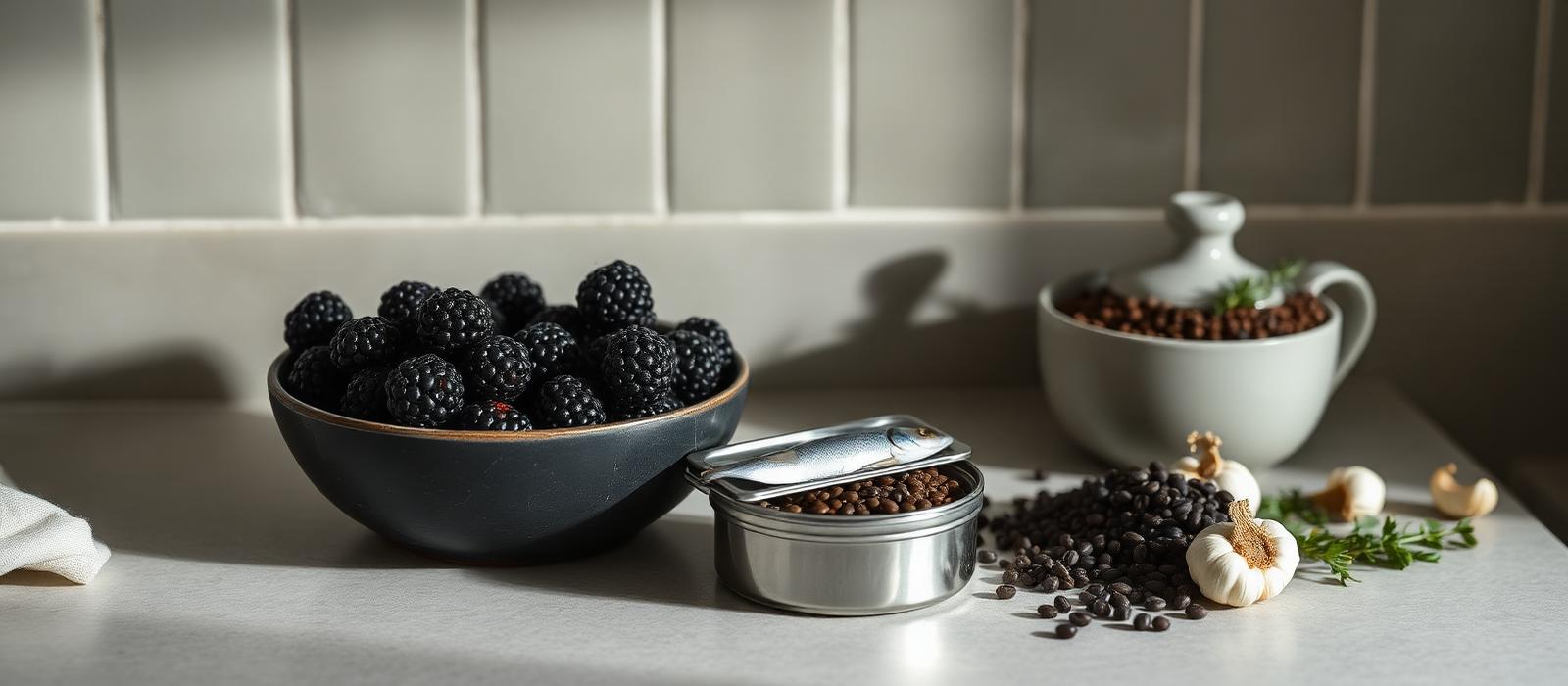
Nutrition, movement, sleep, recovery, stress and screens. This is the pillar with the most marketing noise around it and the cheapest real answers.
Rough prices per serving, to show scale rather than quote your local shop.
The green figure on each card is the rough cost per serving, not protein content — it is there to show scale, not to quote your local shop.
Cost: ~0.50-0.90 per serving
One of the highest-protein, lowest-cost foods in the shop, plus calcium and live cultures.
Big plain tub only. Add your own frozen berries. It also replaces cream, mayo or sour cream.
Swipe or drag the top card sideways (1 of 5).
Cost: ~1.00-2.00 per bag, 4-6 servings
Frozen at harvest, so nutritionally close to fresh and often better than tired fresh veg.
Zero waste, zero prep. Throw a handful into whatever is already in the pan.
Swipe or drag the top card sideways (1 of 3).
Cost: ~0.10-0.20 per bowl
Slow-release carbohydrate and soluble fibre; steadies energy and blood sugar.
The plain big bag, not the sachets. Sachets cost several times more for less food.
Swipe or drag the top card sideways (1 of 3).
Cost: ~0.30-0.60 per serving
Cheaper than Greek yoghurt or skyr, still protein, calcium and live cultures.
Flavoured pots are mostly sugar at three times the price. Buy plain and sweeten with fruit.
Swipe or drag the top card sideways (1 of 3).
The single most reliable, most researched, least glamorous health habit. Aim for something most days rather than something heroic on Sunday.
Swipe or drag the top card sideways (1 of 10).
Overlooked, cheap to protect, and expensive to ignore. Gum disease is linked to heart disease, diabetes and dementia risk.
Brush twice a day, two minutes
Free / penniesMorning and last thing at night. Last thing means after the last food or drink, not before a late snack. A cheap manual brush used properly beats an expensive one used badly.
Clean between the teeth daily
Very cheapFloss or interdental brushes. Roughly a third of each tooth surface never sees a brush, and that is where most gum disease starts.
Fluoride-free toothpaste if you prefer
Similar priceIf you would rather omit fluoride, hydroxyapatite or plain non-fluoride pastes are options. The mechanical cleaning and cutting sugar frequency do most of the work either way. If you are high-risk for decay, take your dentist's advice over any website.
Skip antibacterial mouthwash
Saves moneyUnless a dentist prescribes it, for example after surgery. Strong antiseptic rinses wipe out the good bacteria too, and the oral microbiome is involved in everything from breath to blood pressure.
Scrape your tongue in the morning
One-off, tinyA metal scraper is a one-off purchase and lasts years; the edge of a spoon works. Removes the overnight film that causes most bad breath.
Oil pulling before breakfast
Pennies per goSwill a spoon of coconut or sesame oil around the mouth for 5-10 minutes, then spit it in the bin, not the sink. Optional, pleasant, and no substitute for brushing.
Sugar frequency beats sugar amount
FreeTeeth care about how often acid hits them, not the total. Sipping a sugary drink all afternoon is far worse than the same drink in one go.
Do not skip the free or subsidised check-up
Often free / lowGum disease is silent, cheap to treat early and brutally expensive late. Dental pain is one of the most common reasons people lose work days.
Sun exposure is the single biggest driver of skin ageing and skin cancer, and protection costs almost nothing.
Sun is also good for you
Daylight in your eyes, first thing
FreeTen to twenty minutes of outdoor morning light (no sunglasses, never staring at the sun) is the strongest free signal for your body clock. It sets sleep timing, mood and energy for the whole day. Cloudy still counts — outdoors is many times brighter than any room.
Sun makes your vitamin D
FreeSkin makes vitamin D3 from UVB, and a large share of people are low, especially in winter, at higher latitudes, with darker skin or when mostly indoors. Short, regular, non-burning exposure to arms and legs does the job.
Protection, not avoidance
Free / a few per yearThe goal is never to burn — not never to go outside. Short sun before the peak hours, cover up or use sunscreen for long exposure. A cheap D3 supplement in winter is one of the few supplements genuinely worth the money if you cannot get sun.
Sunscreen: broad spectrum, UVA and UVB
Supermarket own-brand is fineLook for SPF 30+ and UVA protection (a UVA circle logo, PA+++ or 'broad spectrum'). SPF alone only tells you about UVB, which burns; UVA is the one that ages skin and drives long-term damage.
Prefer not to use sunscreen? Use shade and timing
FreeStay out of direct sun between 10am and 4pm, when UV is strongest. Shade, a wide-brim hat, long sleeves and sunglasses do the same job with no product at all.
Cover the bits everyone forgets
FreeEars, back of the neck, hands, scalp parting, lips. These are where sun damage shows up first.
Cheap moisturiser, applied often, wins
Very cheap in bulkA plain bulk moisturiser used daily beats an expensive serum used occasionally. Fragrance-free if your skin reacts.
Do not smoke, and sleep
Free (saves money)The two biggest free levers on skin ageing, both of which also happen to be the biggest levers on lifespan.
Check your own skin twice a year
FreeNew mole, changing mole, a sore that will not heal: get it looked at. Early skin cancer is usually simple to treat.
The single largest free health upgrade available to most people.
Swipe sideways for more.
Under stress a lot of people go straight to sleeping tablets. Try the free things first, then the cheap ones.
Why pills are a poor first move
Under stress a lot of people go straight to sleeping tablets. They tend to sedate rather than give real sleep, tolerance builds, and stopping often makes sleep worse for a while.
Try the free things first
Slow breathing, a wind-down that is not a screen, a dark cool room, the same wake time every day, and daylight in the morning. This fixes most stress-driven sleep problems.
Cheap things worth trying
Magnesium glycinate, valerian root, or simply a chamomile tea as part of the wind-down. Low cost, gentle, and the ritual does some of the work.
When to ask for help
If sleep stays broken for weeks, or you take other medication, speak to a pharmacist or doctor before adding anything. Ask about talking therapy for insomnia (CBT-I) — it works better than tablets and is often free.
Optional, enjoyable, and cheap or free depending on where you live.
Sauna, if you can get to one
Free to low, depending where you liveRegular sauna use is well associated with cardiovascular health and general wellbeing, and it feels good, which is why people keep doing it. In some countries it is in every gym and public pool for very little. If it is not near you, this is a nice-to-have, not a requirement.
Cold shower as contrast
FreeThirty seconds cold at the end of a normal shower. Sharpens you up, builds a small daily piece of doing the hard thing on purpose, and costs less than the hot water you skipped.
Heat then cold
Free to lowIf you have both, alternate. Warm through, then cold, then rest. Keep it comfortable rather than heroic, and skip it if you have heart problems or are pregnant unless your doctor says otherwise.
The cheapest nutrition upgrade there is: it cuts waste, cuts spend, and removes the tired-and-hungry moment where the bad choice happens.
Plan the week before you shop
Five or six meals written down. A list stops the bin filling up and stops the trolley filling up.
Batch cook once
One pot of something with lentils, beans or mince. Portion it, freeze half. Future you gets fed for free.
Cook once, eat twice
Double the rice, double the roast veg. Tomorrow's lunch is already made.
Freeze before it turns
Bread, herbs, leftovers, half an onion. Food waste is money you already spent and then threw away.
It protects the decision, not just the wallet
Most bad food choices happen tired, late and hungry with nothing in the fridge. Prep removes the moment where that choice gets made.
No moralising. These simply cost more health, and more money, than anything you could buy to offset them.
Alcohol: less is better, none is simplest
It wrecks the second half of your sleep, adds empty spend, and there is no amount that is actively good for you. If you drink, keep several alcohol-free days a week.
Smoking and vaping
The single biggest thing most smokers can do for both health and money. Quit support is usually free — that is one of the few free health services that is genuinely well funded.
Recreational drugs and misused medication
Including painkillers and sedatives taken beyond what they were given for. If that is where you are, that is a doctor conversation, not a willpower one.
No supplement offsets these
Nothing you can buy undoes them. That is also good news: removing them costs nothing and gives money back.
Evening light and late scrolling
The bigger problem is usually not the light, it is that the phone keeps you awake and alert. Set a time the phone leaves the room.
Notification load
Every buzz is a small stress response. Turning off everything except calls from real people is free and immediate.
Doom-scrolling
Feeds are designed to hold attention with outrage and fear. That is a mental health cost you pay in the currency of hours.
Sitting still for hours
Screens keep the body motionless. Stand or walk for a couple of minutes every half hour.
Time, not just health
Three hours a day on a phone is over 1,000 hours a year. That is the whole budget for the other four pillars.
A workout, not a feed
Ten hard minutes shifts stress chemistry in a way scrolling never does. Squats, stairs, a fast walk — anything that makes you breathe.
Time in nature
A park, a canal path, trees, water. Green and blue space lowers measured stress even in short doses, and it is free.
Focused destress time
Put it in the day on purpose: twenty minutes with no phone, no podcast, no input. Boring on purpose is the point.
Why not the phone
We are learning more and more about digitally induced illness: disrupted sleep, attention fatigue, anxiety and a body that never moves. Unwinding with a screen reloads the stress it is meant to relieve.